- Dates9 January 2026 - 28 February 2026
- Opening receptionThursday, 8 January 2026, 6:00 pm - 8:00 pm
- Artists
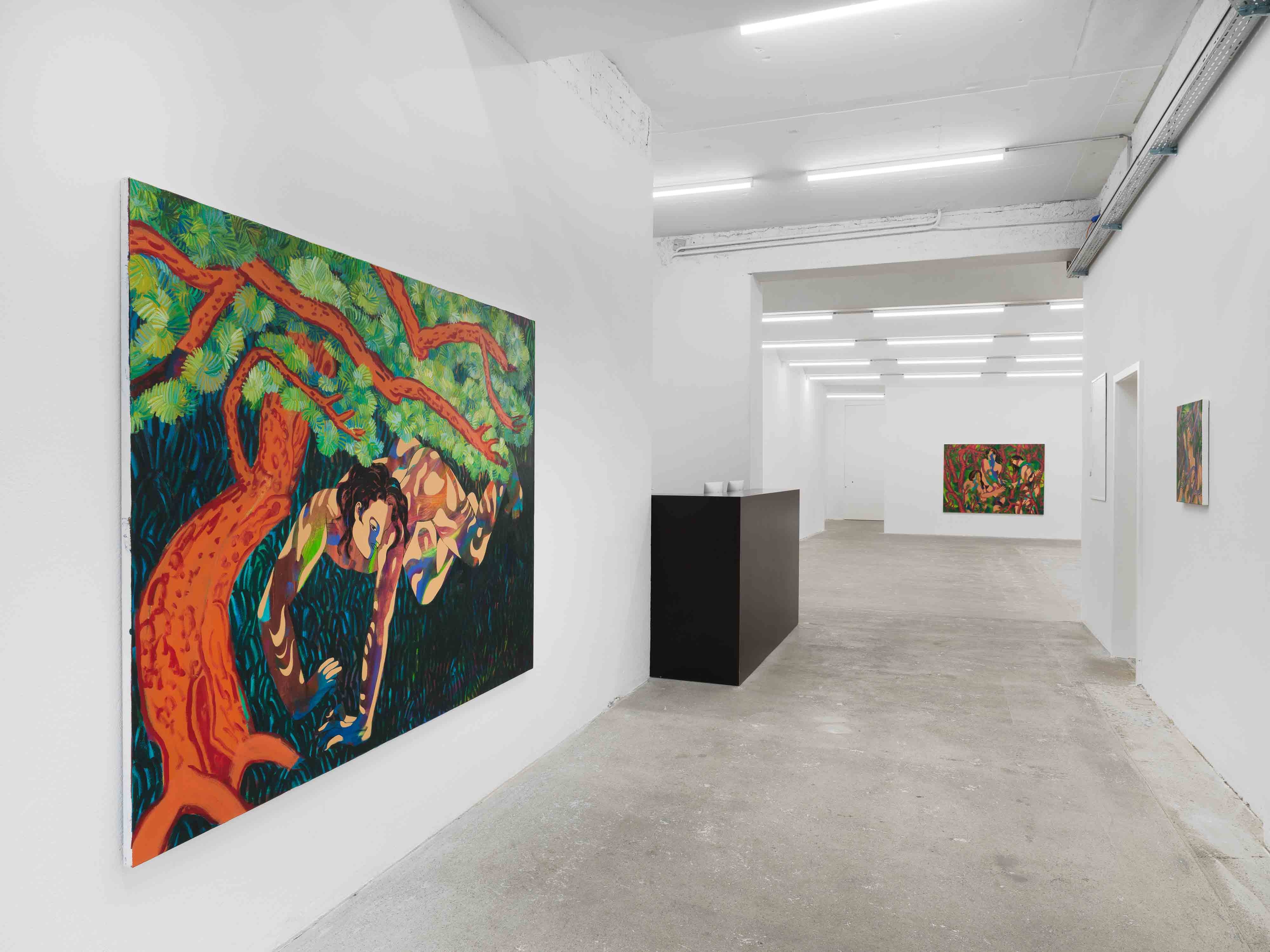
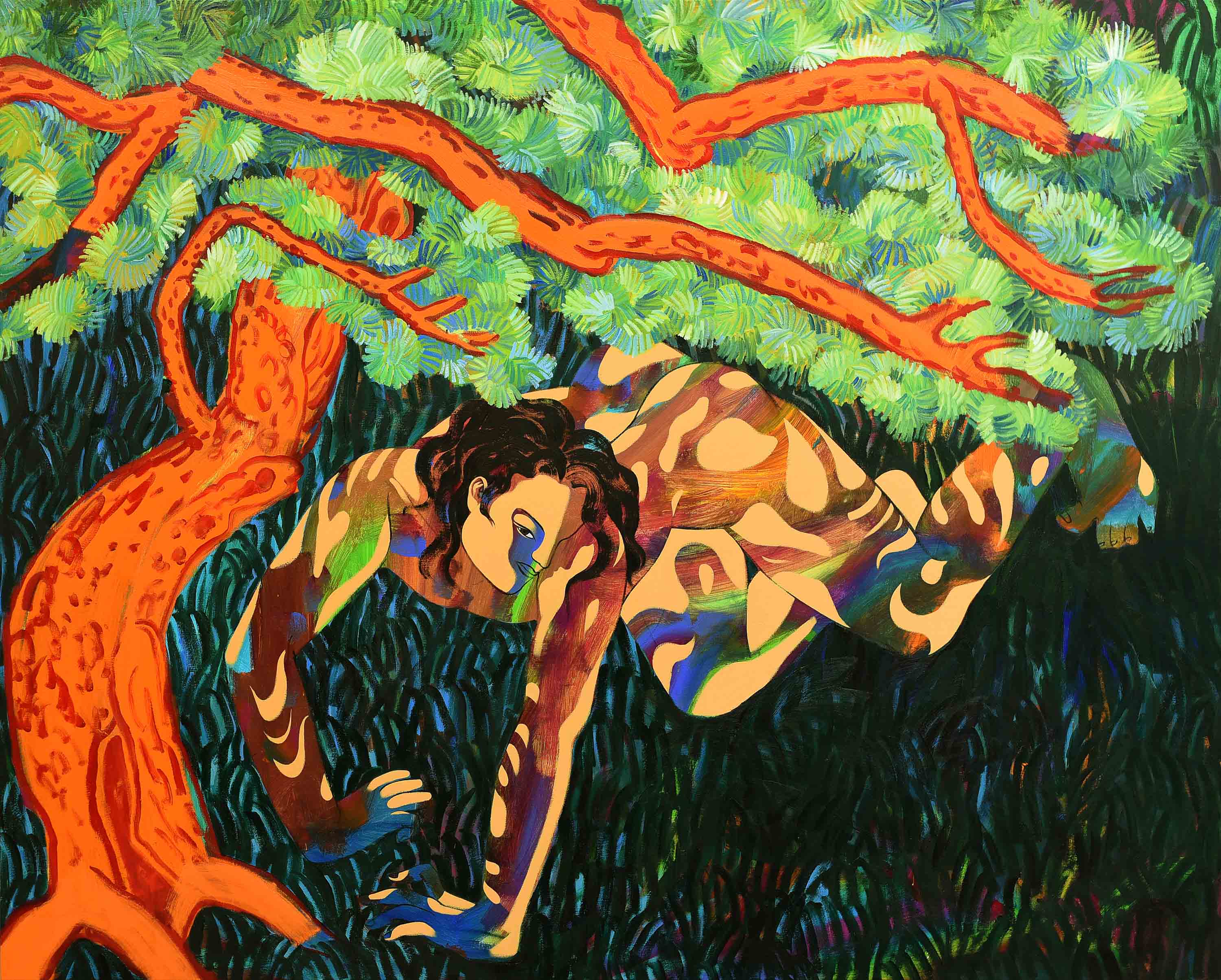
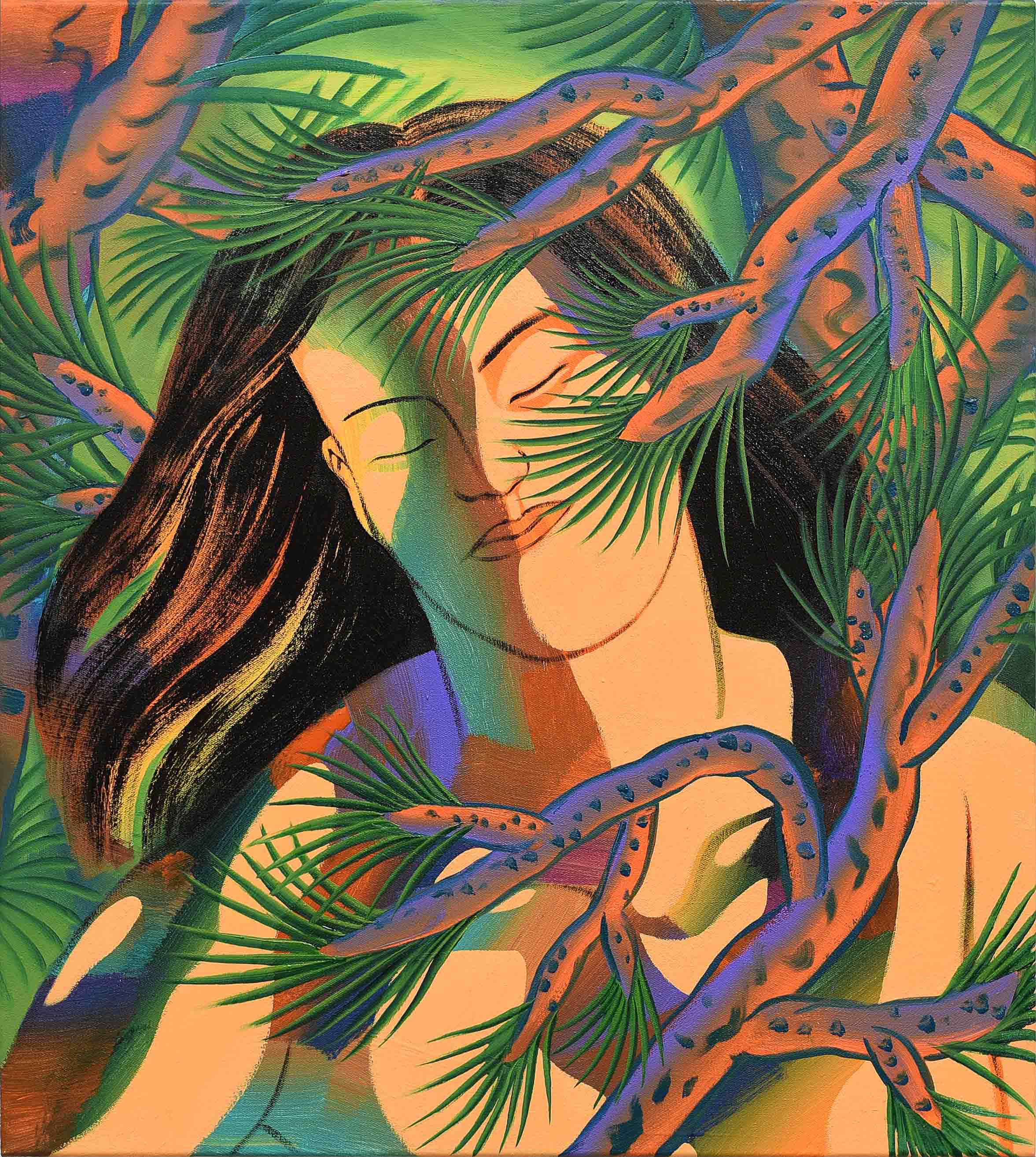
An ominous whisper fills the physical distance between Kim's paintings and us in a calm but rebellious disposition. In response to this whisper, we get captivated by the vibrant primary colours at first glance. The distance between us and her paintings is being steadily tighten up with this synaesthetic encounter - and suddenly a direct gaze from the eyes of human being penetrates us, strangers in this exhibition space, to investigate which relationship is to be anticipated between the crowd on Kim's painting and us. Whether it remains temporary or develops into a profound one, the first moment has unconsciously already ended, undeniably leaving the transcendent pause of our breath, eyes, shoulders and legs stepping into another room.
The innermost emancipation of the human being
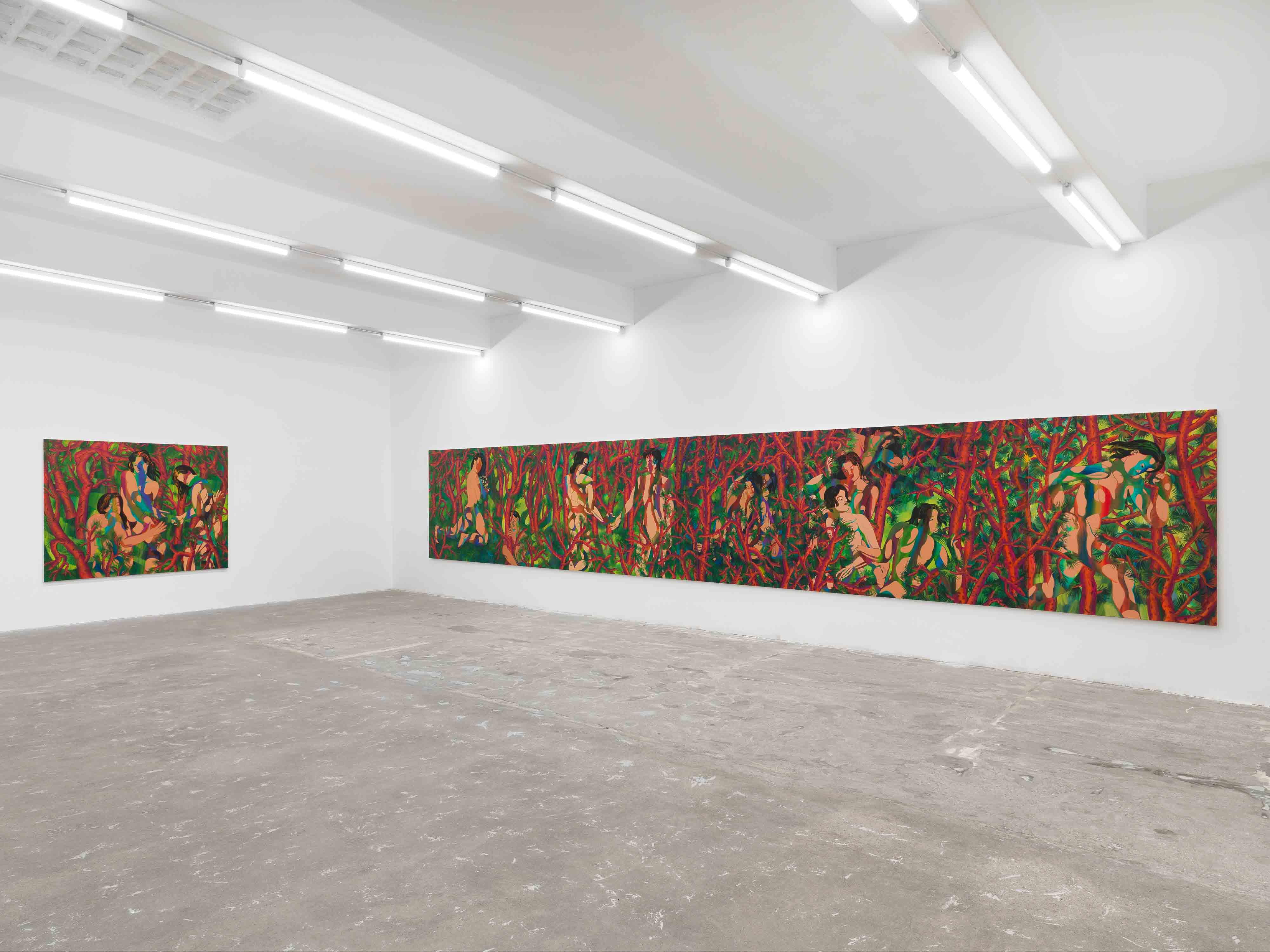
In the ceaseless time of looking at Kim's work, it is hard to escape from her figurative yet abstractly gazing human beings. In order to set herself free from the historical discourse of figurative expressionism, Kim's artistic language has developed from the visual imagination of abstract figures. These are regarded as unknown crowds to the deep-rooted inner interaction between her existence and surroundings in her last adventurous decade. Embodied with miscellaneous fundamentals of relationships and environment she has encountered, her visual language combines figurative realisation of uncovered yet demonstrative bodies with abstractly sketched components from her understanding of human beings with unfinished narratives.
Her appreciation of human beings forms its own artistic expression, such as the combination of human bodies with natural patterns or fragments from the abstract backgrounds of each painting. These flamboyant layers arouse the complexity of human narrative, which is collected through various episodes. One of her works, (2023), demonstrates this eloquent rhetoric in her artistic language: this work is composed of 8 canvases together. Kim regards each canvas surface as an individually intermixed but simultaneously separate world, and inoculates each world with an interdependent and detached aliveness.
Belief in visual humour across Minwha(1) and religious painting
In particular, the intercultural complexity visually revealed on Kim's painting with certain figures and humorous approach in Minwha and religious art in the Middle Ages in Europe. In Minwha, the central protagonists are visibly connected to the title of the painting, but at the same time the other people around the corner seem tangential to the title. Kim found a common allegory in religious paintings of medieval art, which depict masses of people humorously around Christian symbols or figures.
Initially, after her relocation to Vienna, Kim tried to inscribe her intercultural knowledge of Korean and European art history into her painting. She placed the individual people in a painting that is freed from a certain supposition of iconography. This approach reflects her own experience in Europe of the societal bigotry towards minority communities, where the majority of the homogeneous society has tried to categorise their existence only by their documented status or physical appearance. As Kim's heritage does not fully represent her identity or character, her mutinous move towards intercultural visuality in a humorous way in her work should be interpreted as her statement about the artistic practice.
A Political Statement on Indifferent Differences
Across South Korea, USA, and Austria - where Kim was born, grew up, and built her own habitat - she faced intensely shifting environments in her daily life, from which her Weltanschauung was established. Starting from a confusing entry into the new culture and social circles, and after a few years of self-transformation, Kim came to a deep-rooted acceptance of each other's extraordinary attributes, cultural backgrounds and intersectional identities. Subsequently, any disparate way of life comes to her indifferently as a consequence of diverse surroundings. For this reason, her identity as a Korean expatriate artist living in Vienna has been situated on a safe island that allows her to awaken her political consciousness. Through her own artistic statement, with the tenet of indifferent differences, Kim unquestionably demonstrates against the arbitrary hegemony based on imperialistic logic. This is the cogent reason why her political statement in her work fundamentally approaches our current social challenges and uncertainties, which began with the colonising classification of the previous brutal human history.
After leaving the exhibition space, we were left with one last question. We hadn't yet finished the conversation between some strangers and ourselves. But are they really strangers from out of the blue?
(1) Minwha is a traditional Korean folk art identified with iconographic symbols and figures in folk tales and vivid colours. It is a well-known format with folk beliefs in everyday life and imagination in humorous expressions.
Iden Sungyoung Kim, 2025

-
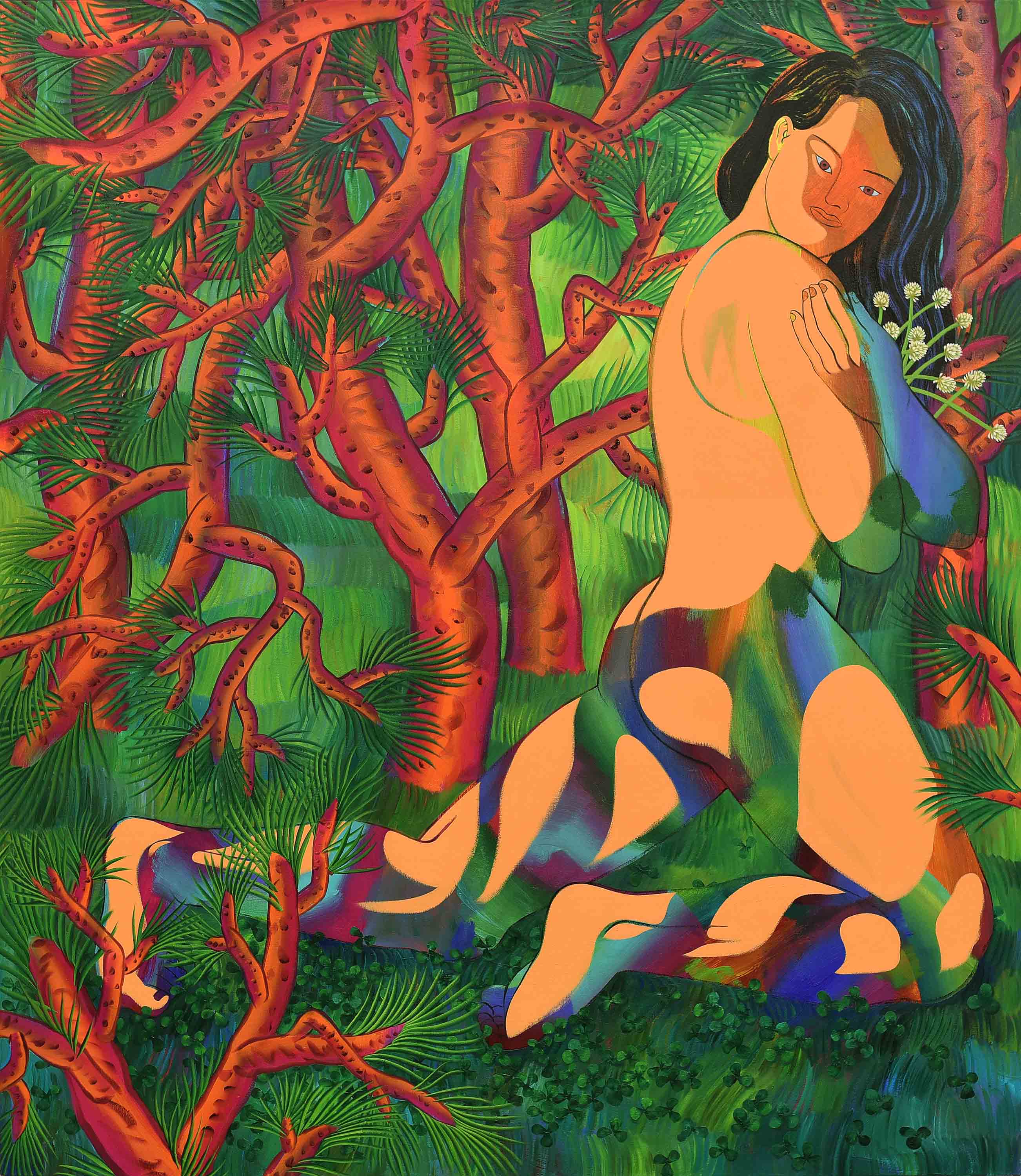
Harvesting luck
Nam Kim2025The world is a forest
Acrylic and oil on canvas
150 x 130 cm -
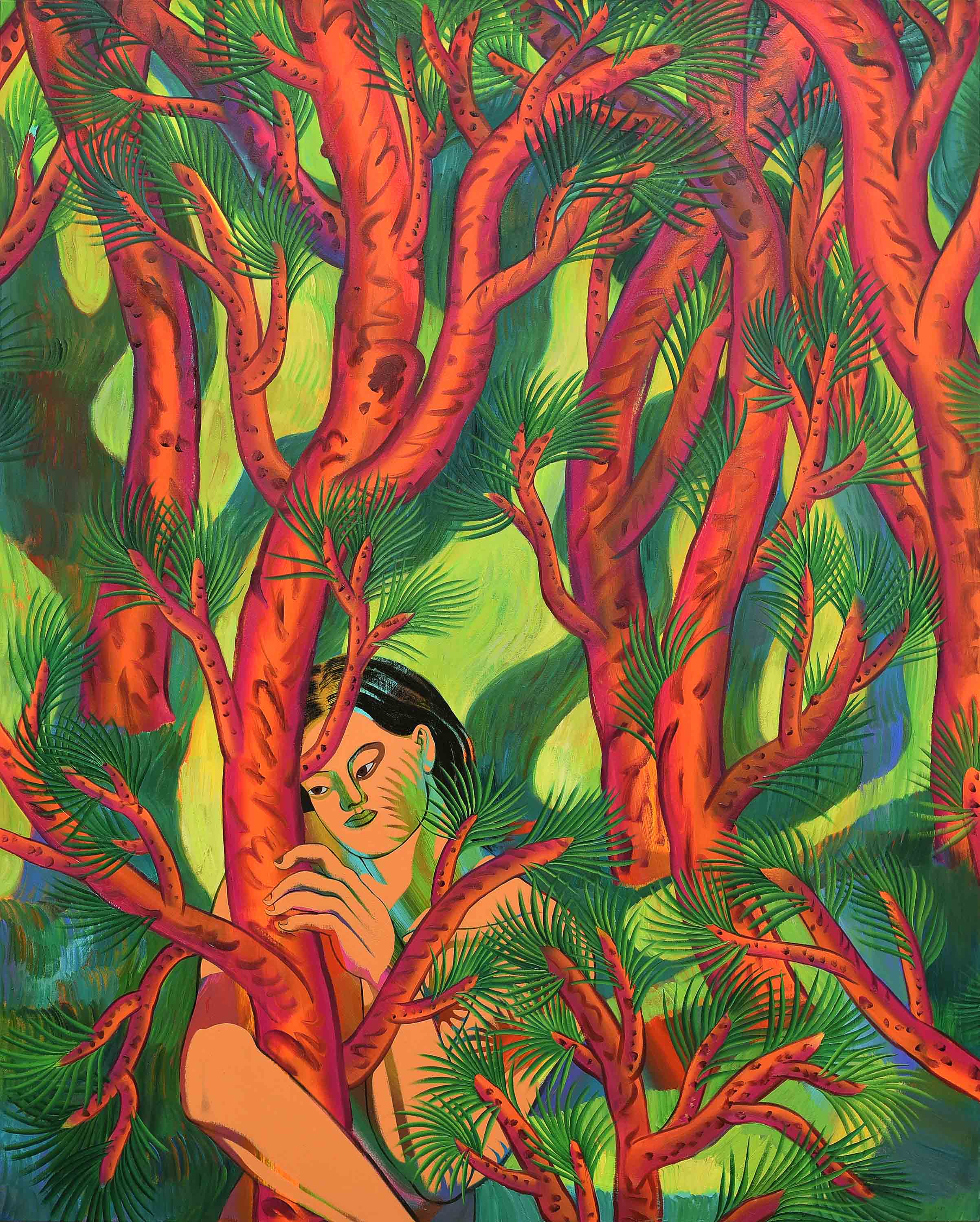
Look into anxiety
Nam Kim2025The world is a forest
Acrylic and oil on canvas
150 x 120 cm -

Hand a Hand
Nam Kim2025The world is a forest
Acrylic and oil on canvas
150 x 180 cm -
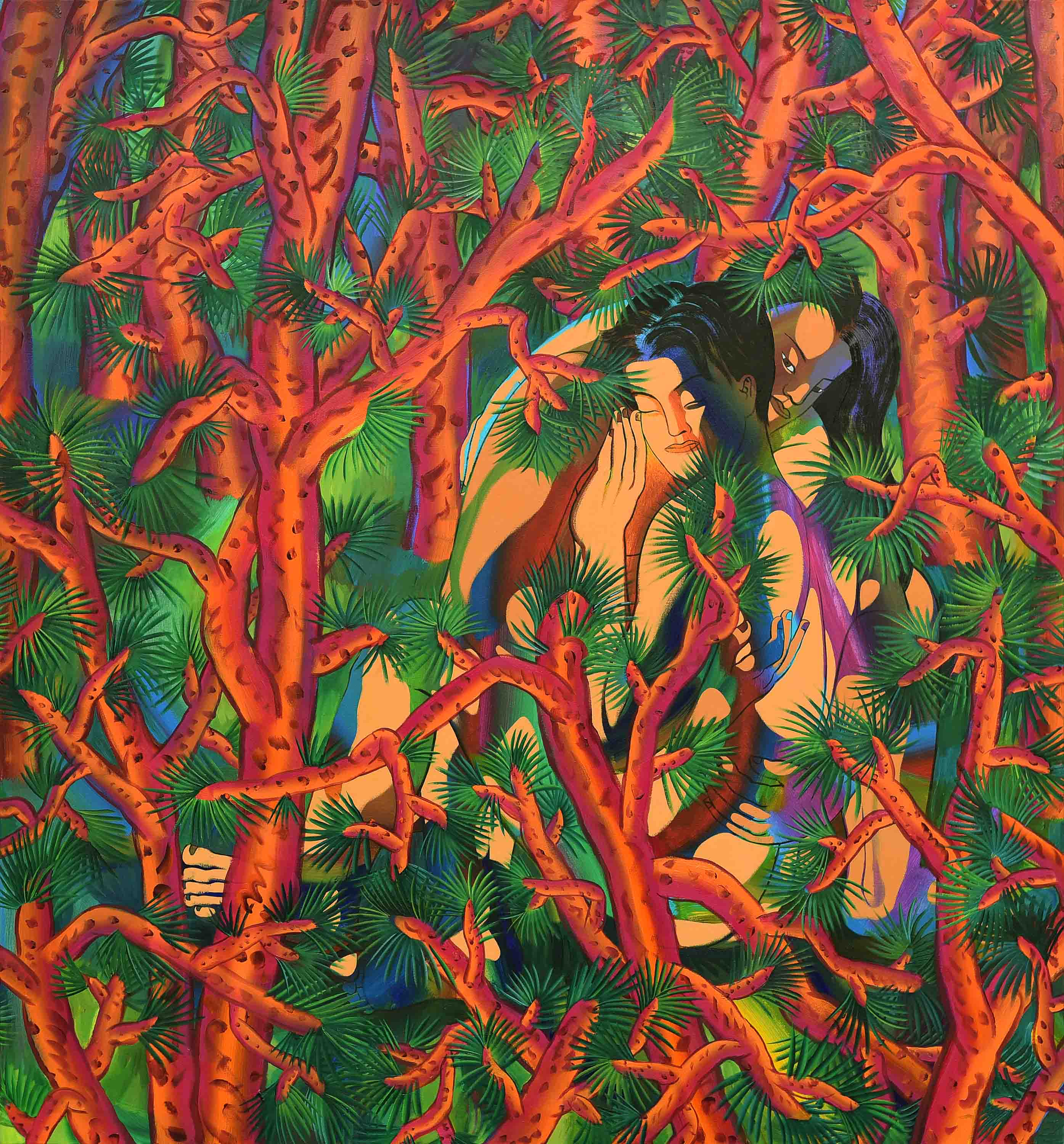
In my arms
Nam Kim2025The world is a forest
Acrylic and oil on canvas
150 x 140 cm -
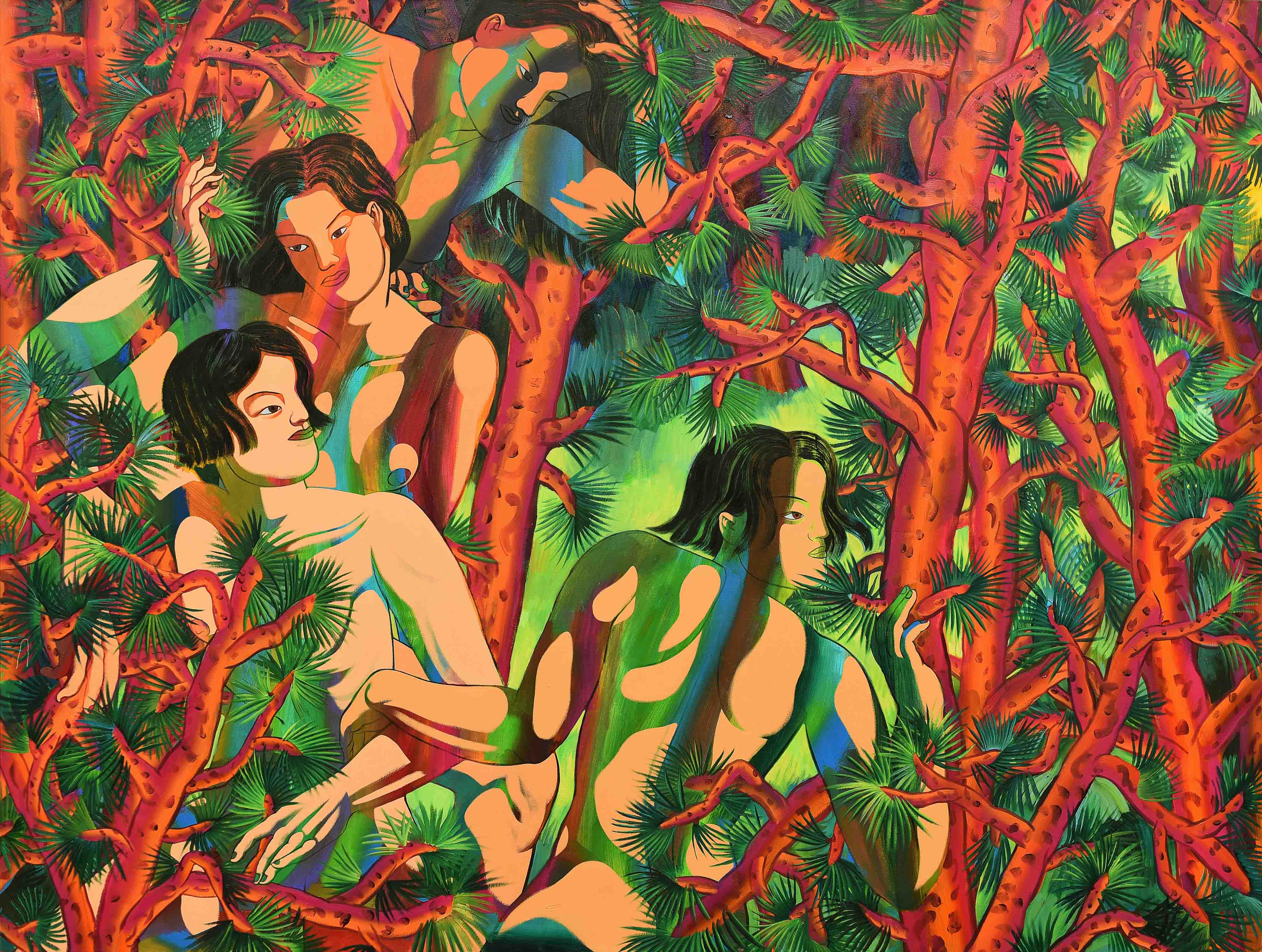
Searching for meaning
Nam Kim2025The world is a forest
Acrylic and oil on canvas
150 x 200 cm -
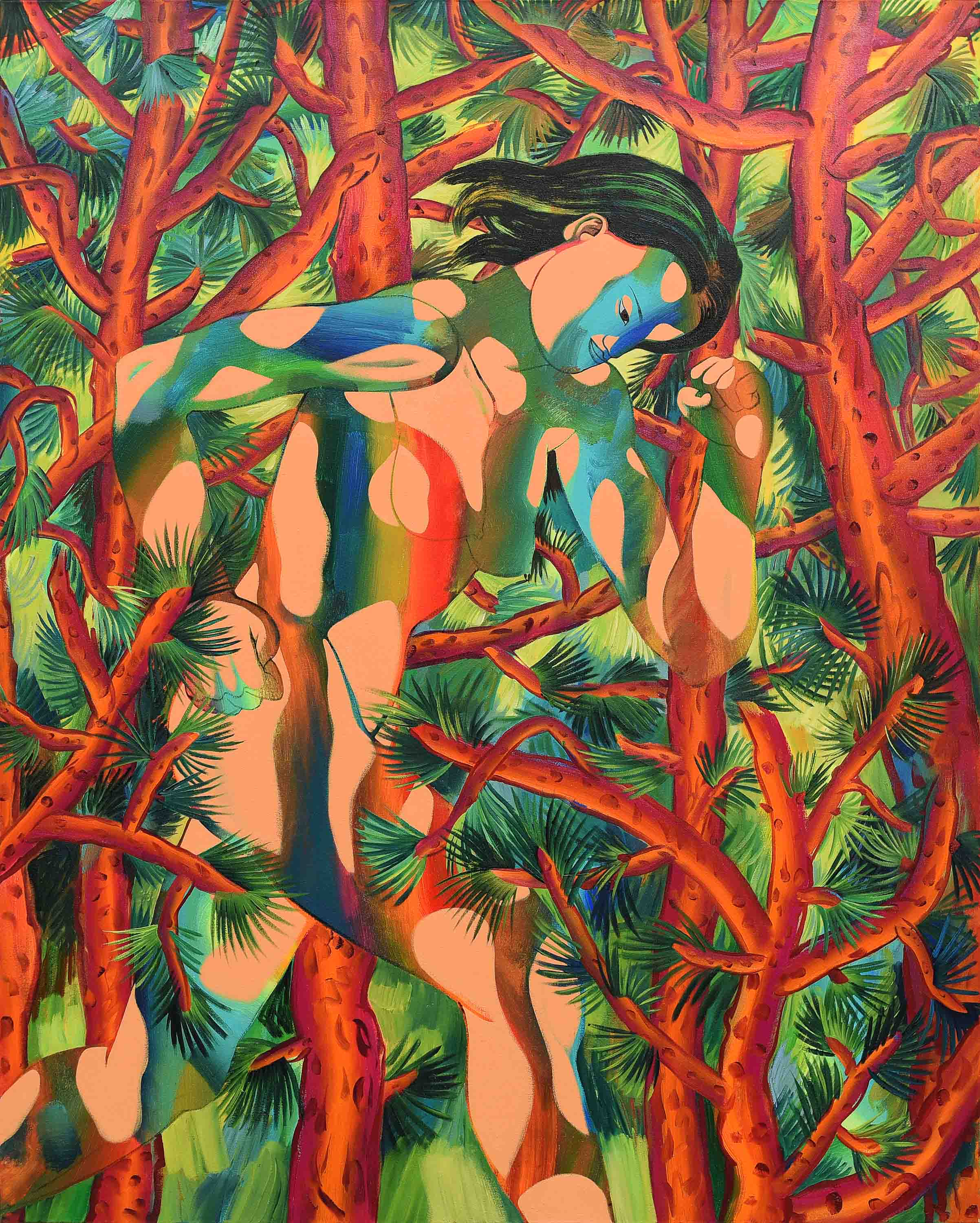
Coming
Nam Kim2024The world is a forest
Acrylic and oil on canvas
150 x 120 cm

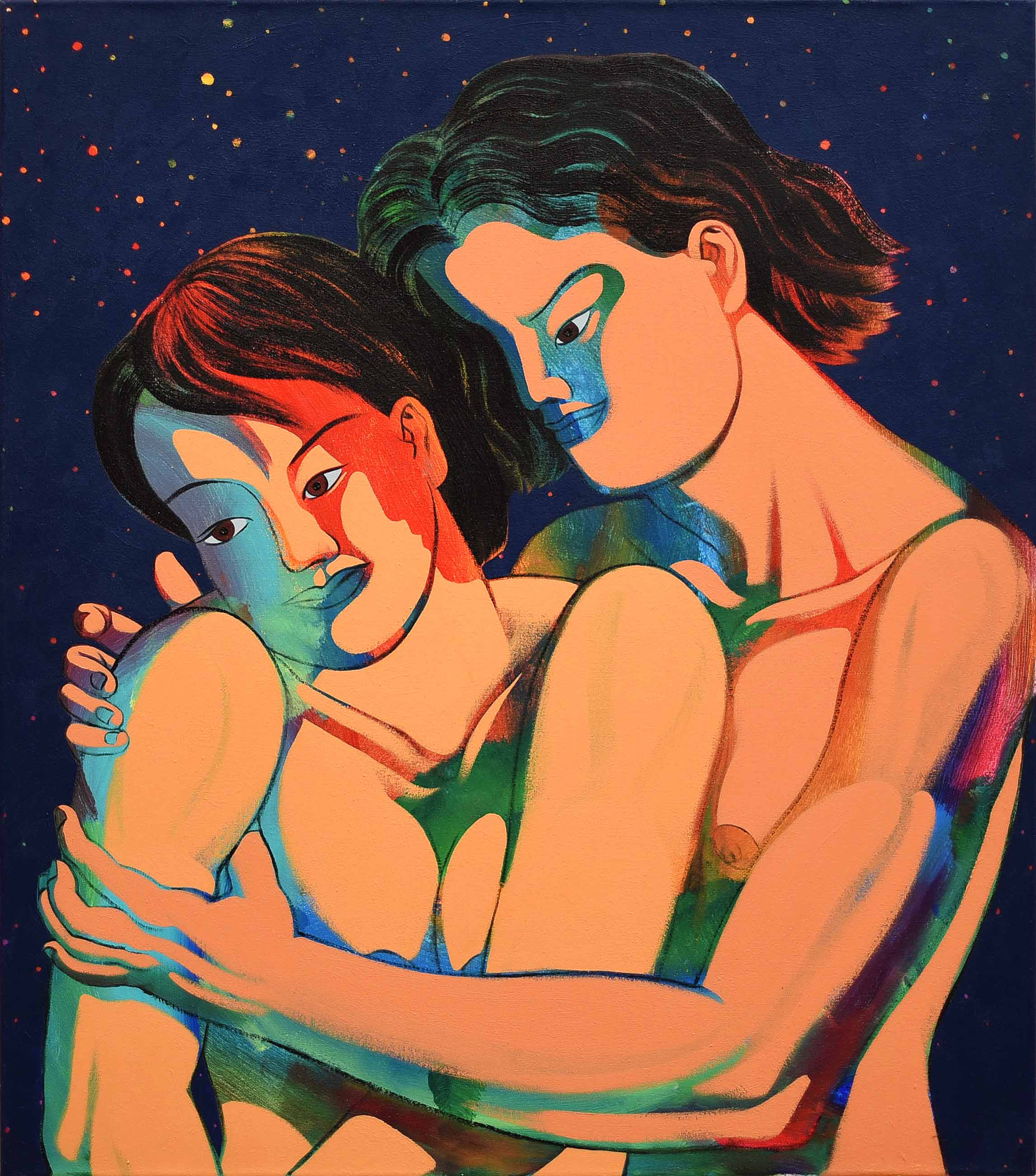
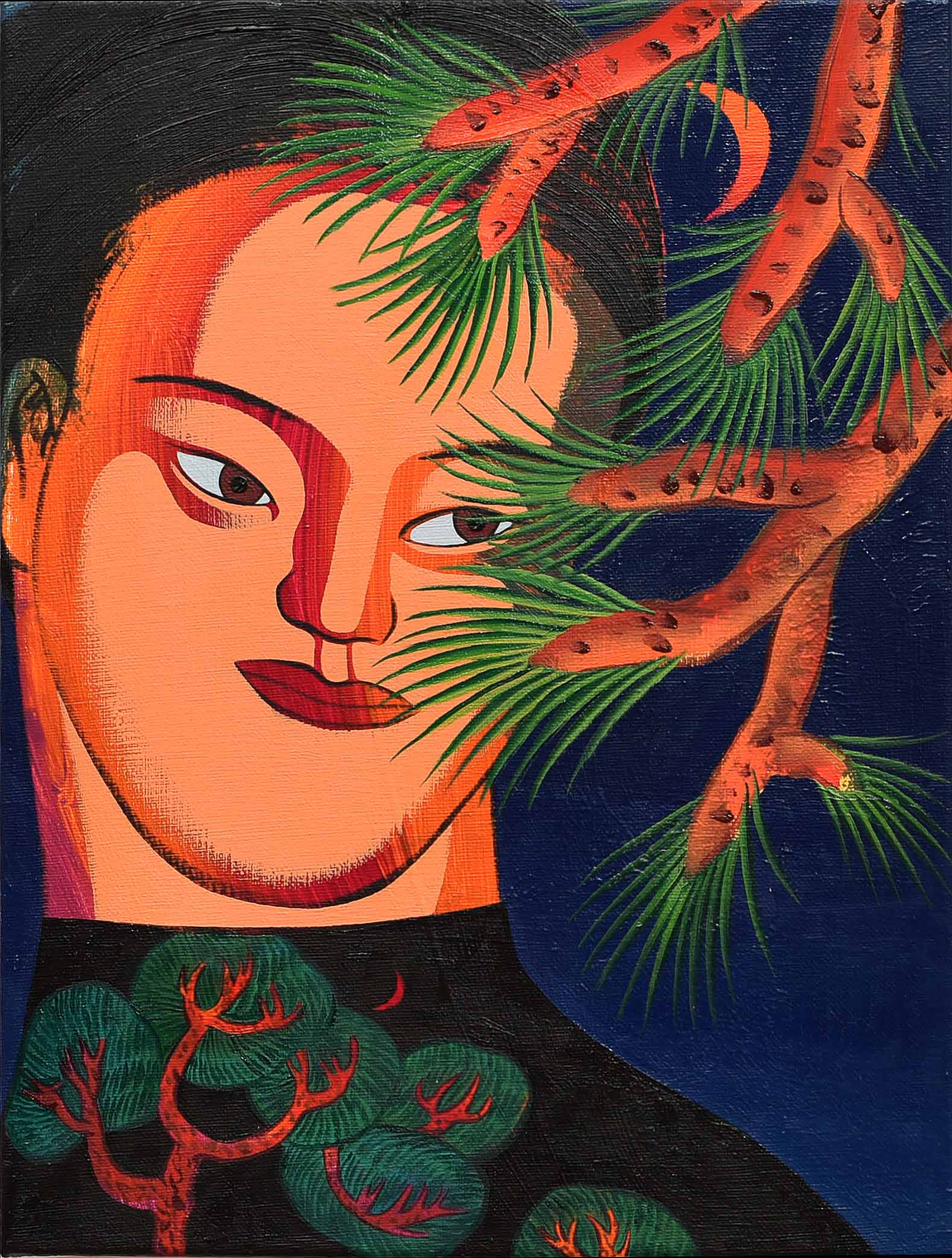
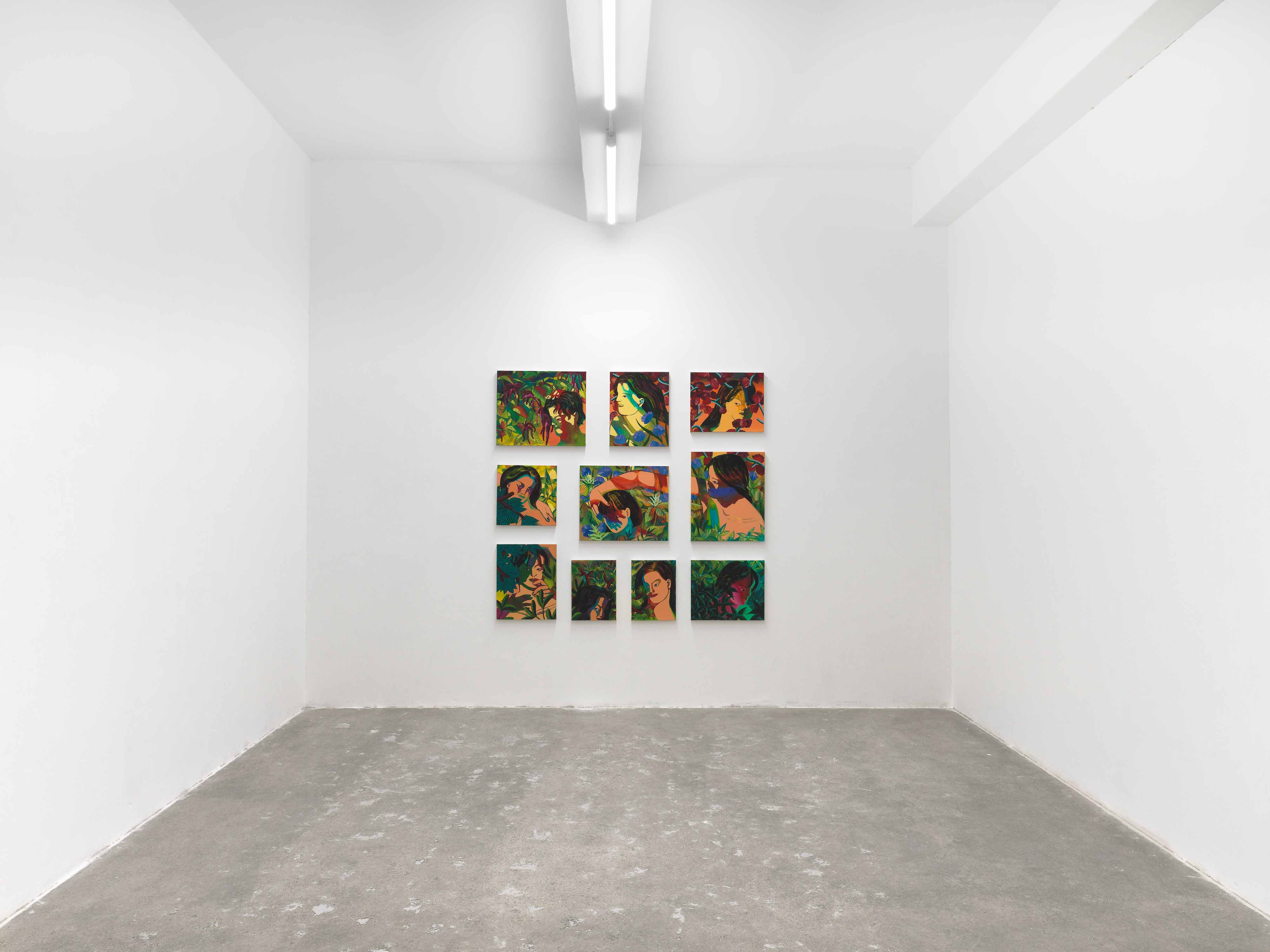
-

Fadeless love
Nam Kim2025Until we meet again
Acrylic and oil on canvas
50 x 60 cm -
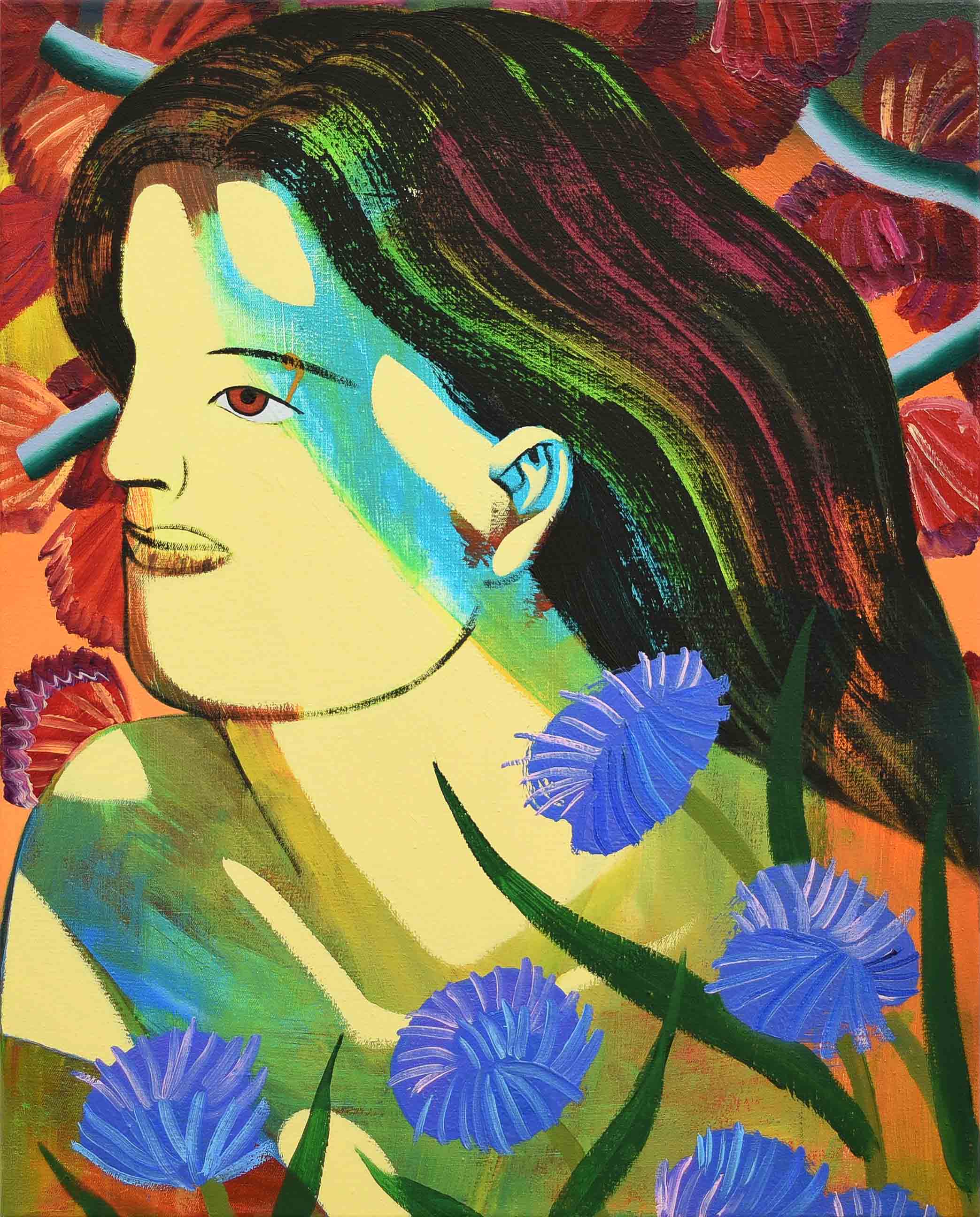
Third Thought
Nam Kim2025Until we meet again
Acrylic and oil on canvas
50 x 40 cm -
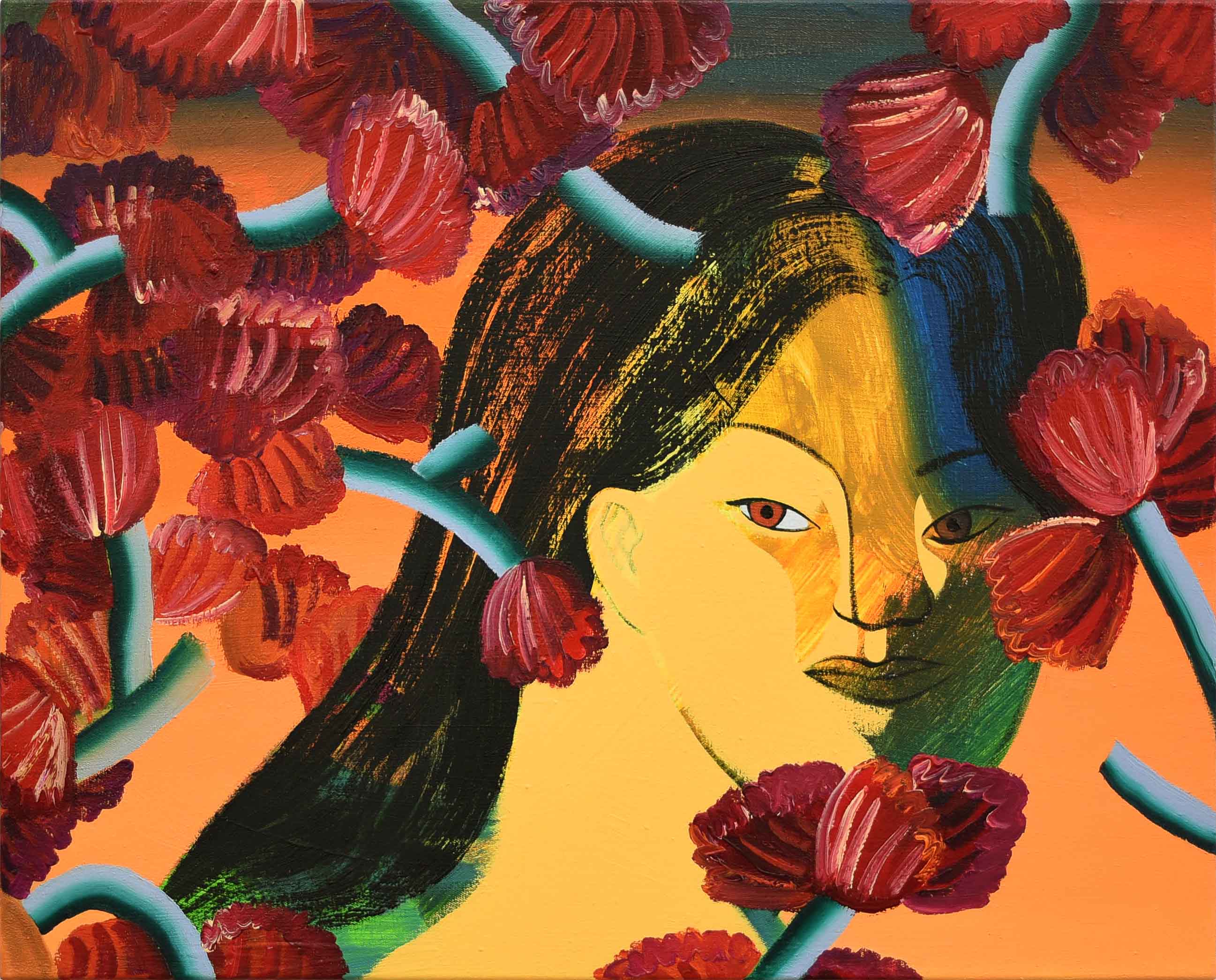
Nostalgic
Nam Kim2025Until we meet again
Acrylic and oil on canvas
40 x 50 cm -
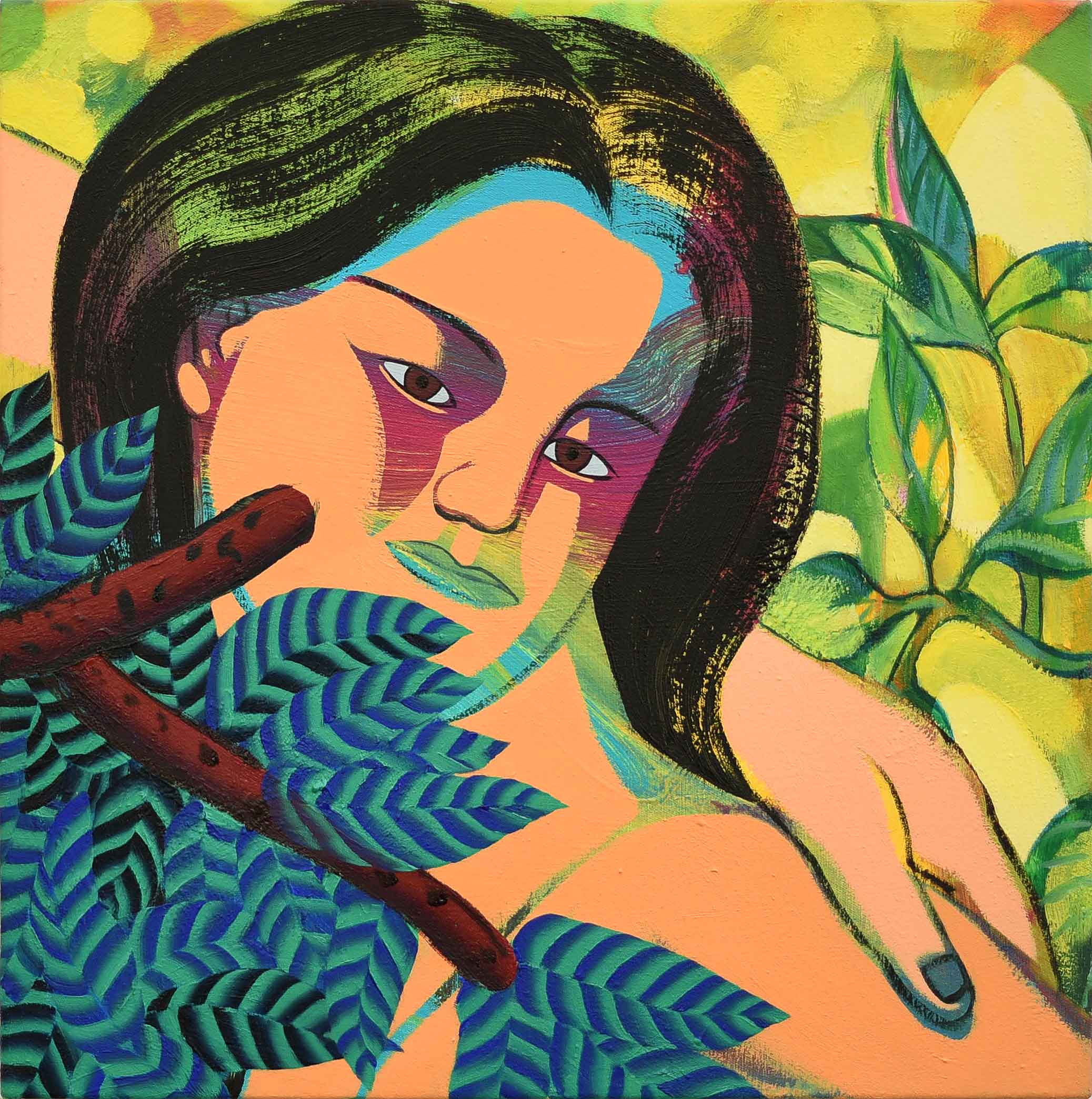
See ya
Nam Kim2025Until we meet again
Acrylic and oil on canvas
40 x 40 cm -
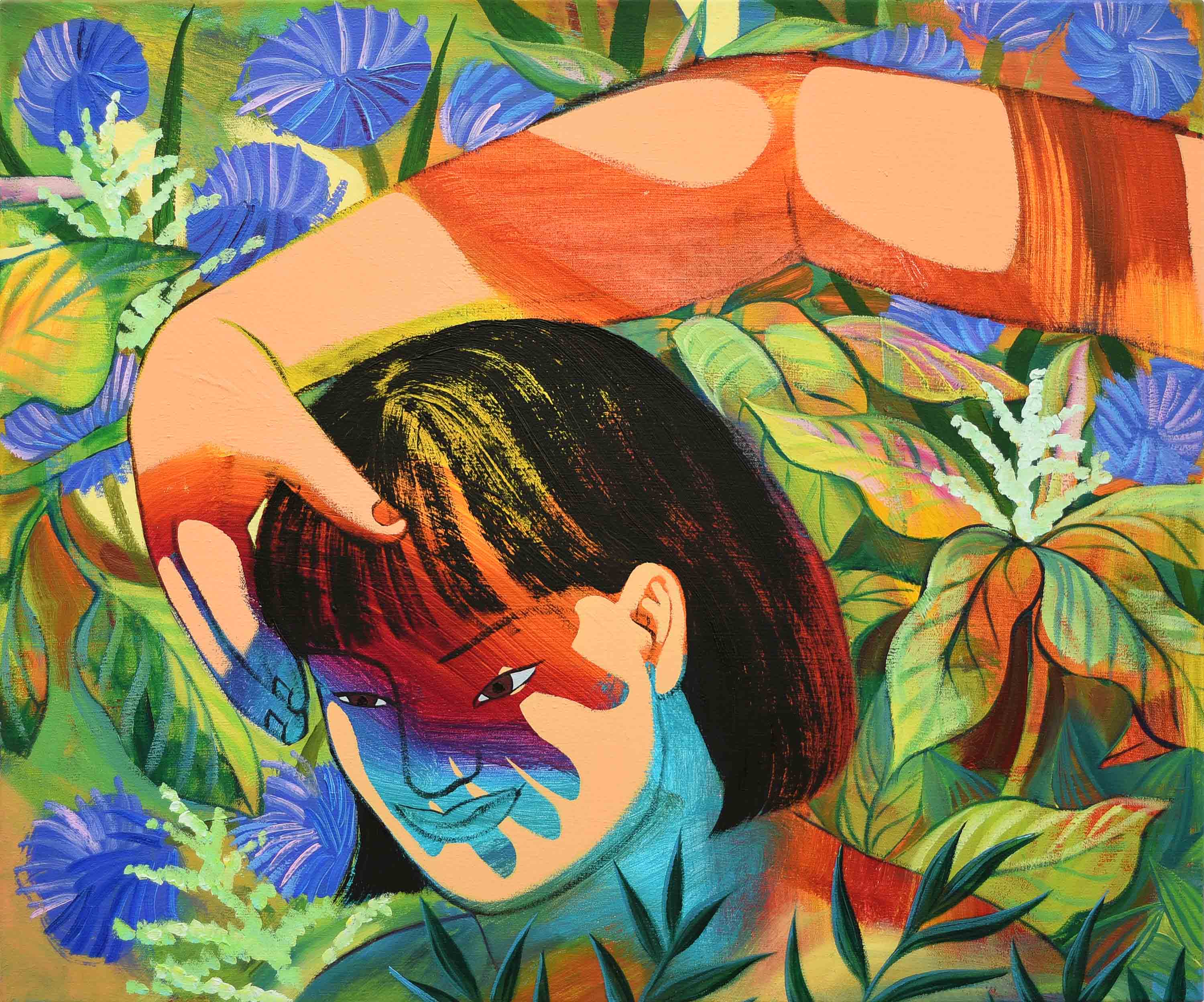
Under my watch
Nam Kim2025Until we meet again
Acrylic and oil on canvas
50 x 60 cm -
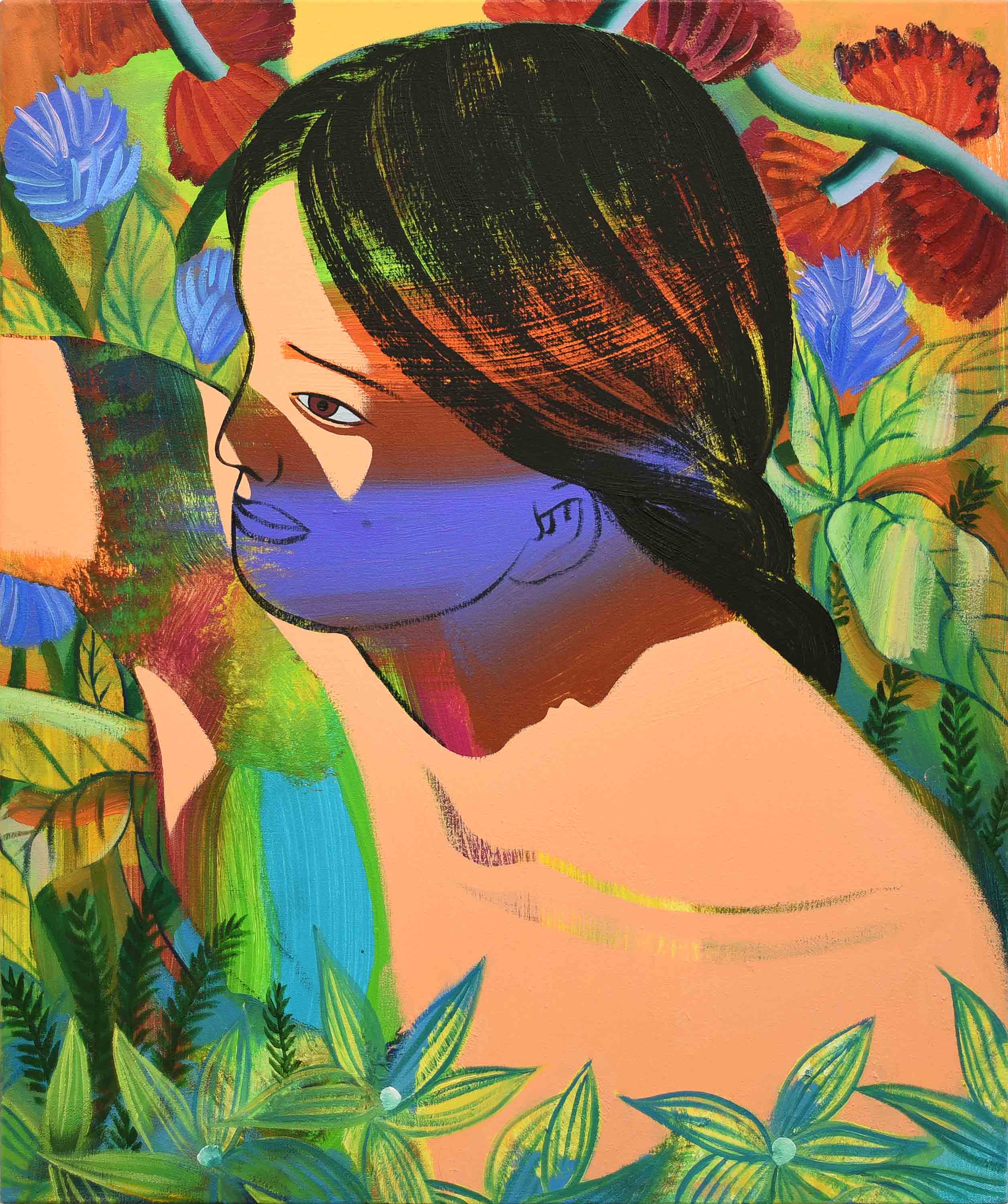
Empathetic
Nam Kim2025Until we meet again
Acrylic and oil on canvas
60 x 50 cm -
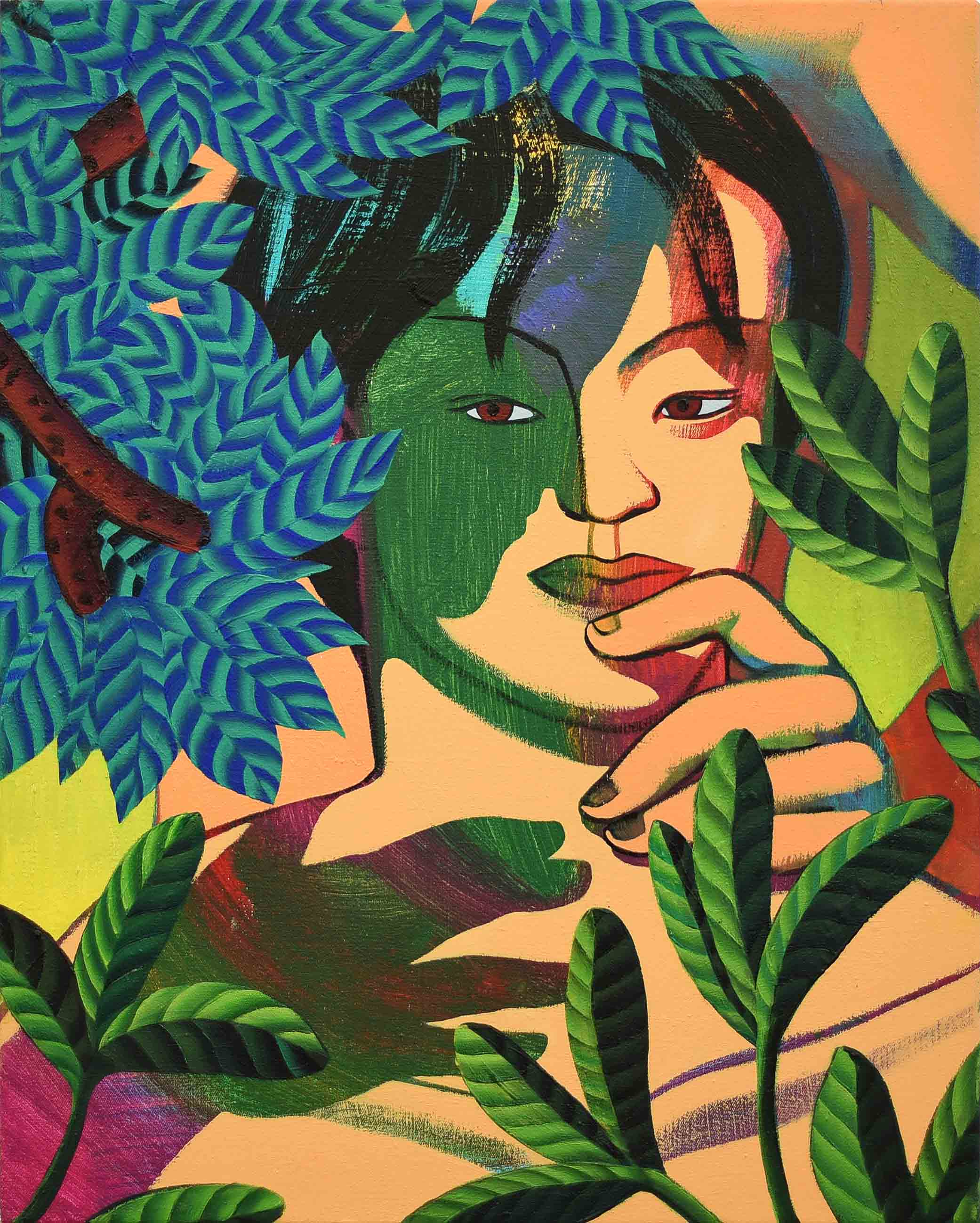
Listen to me
Nam Kim2025Until we meet again
Acrylic and oil on canvas
50 x 40 cm -
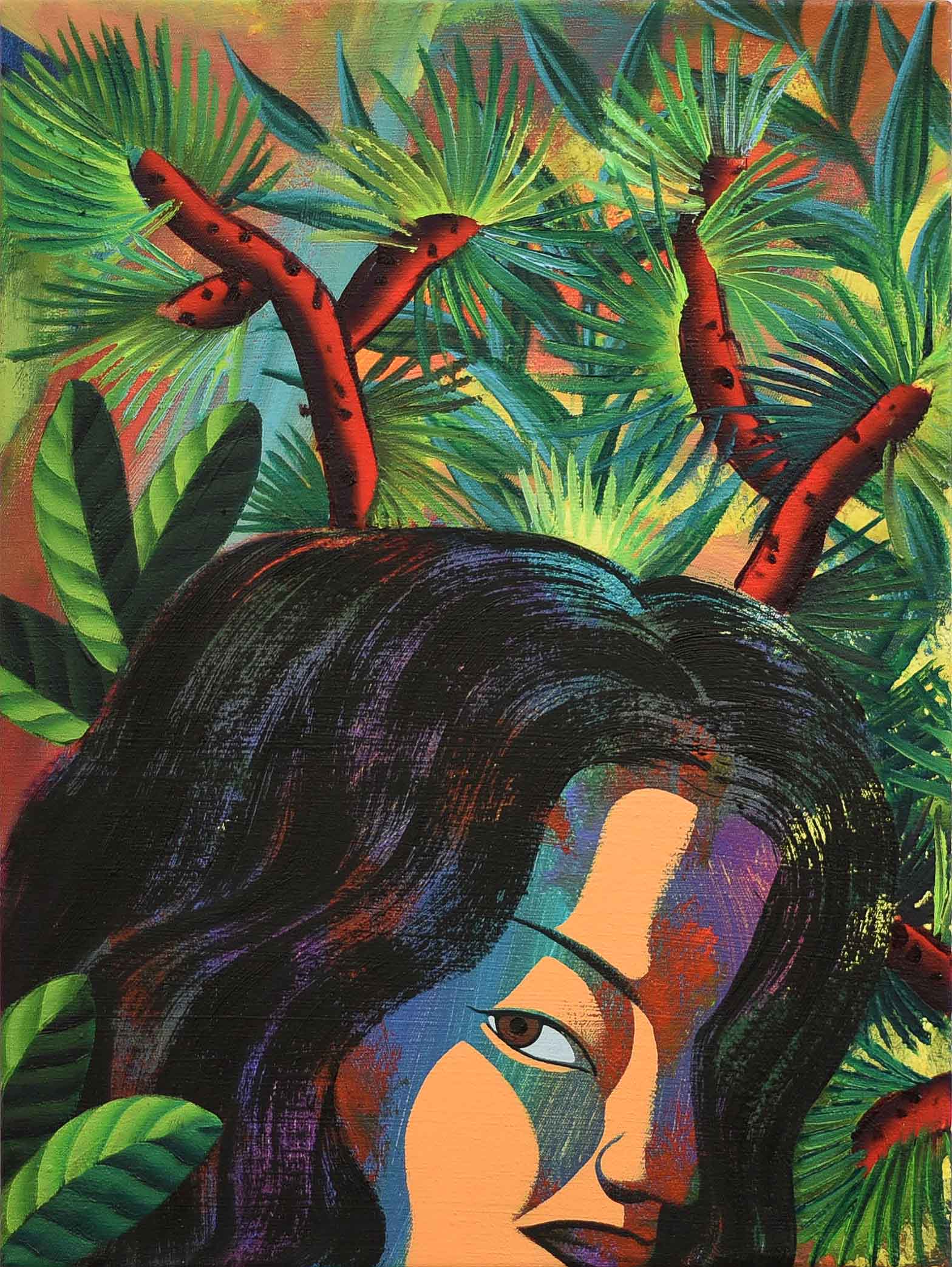
Doubts
Nam Kim2025Until we meet again
Acrylic and oil on canvas
40 x 30 cm -
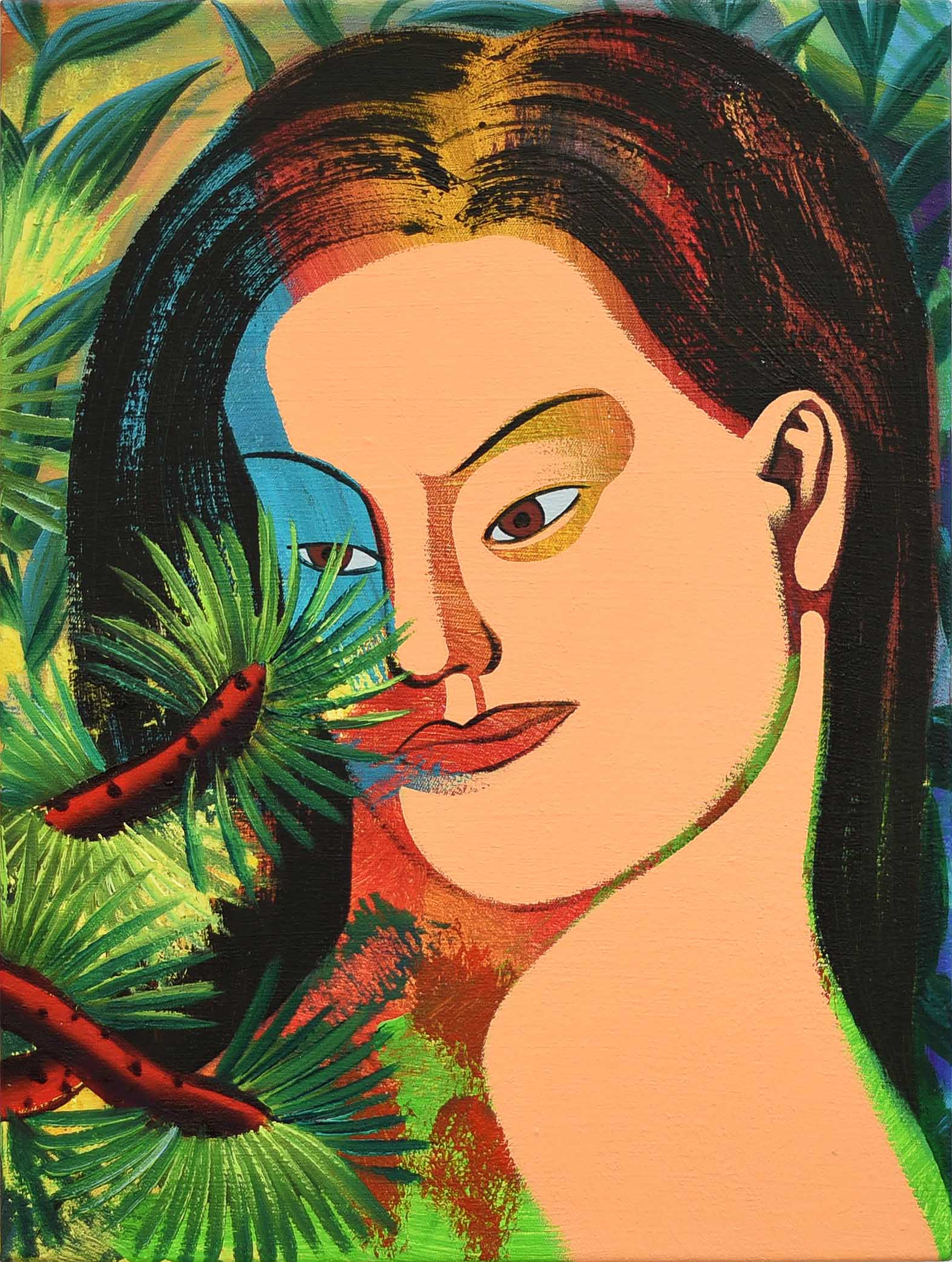
Stare
Nam Kim2025Until we meet again
Acrylic and oil on canvas
40 x 30 cm -
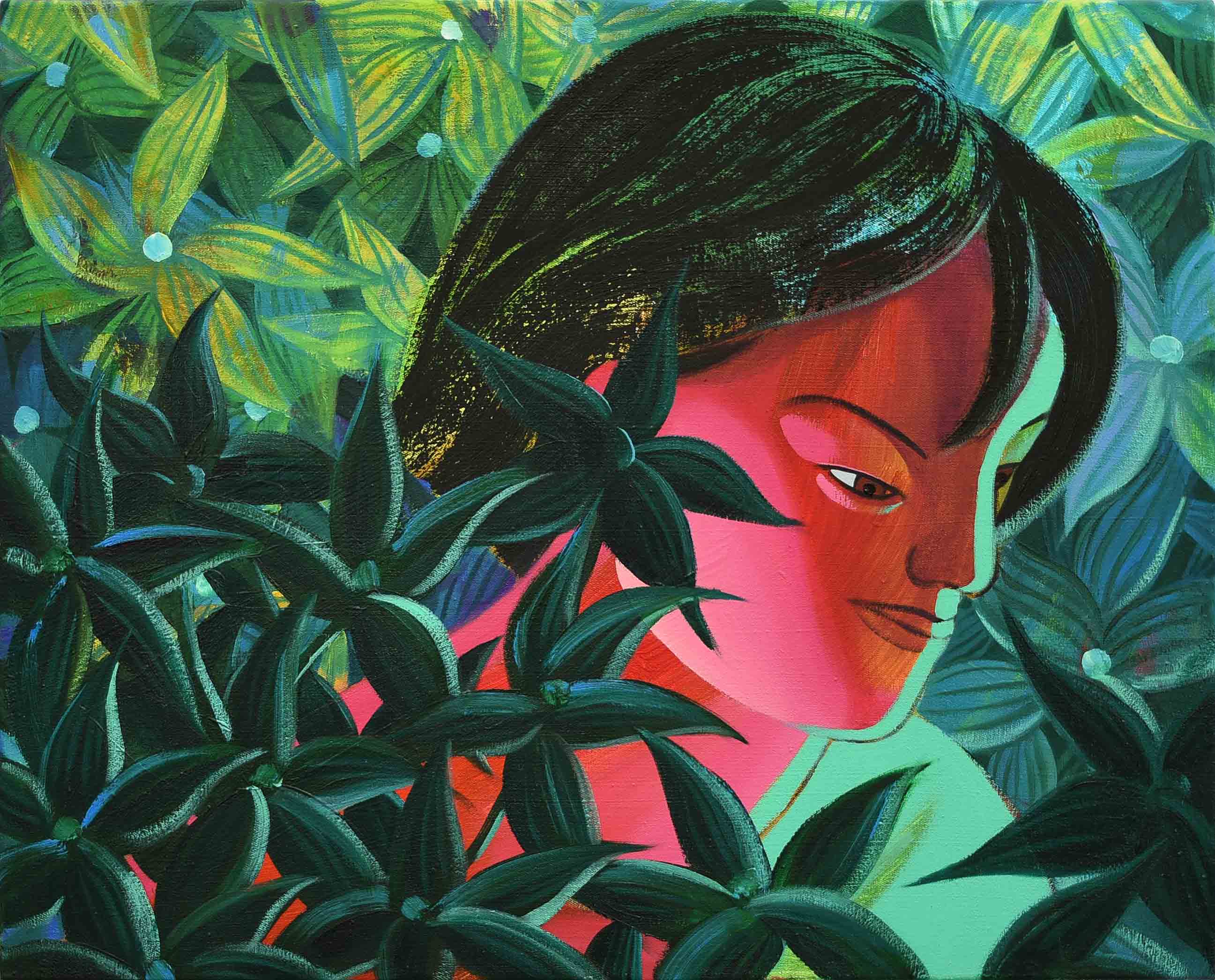
Something is glowing
Nam Kim2025Until we meet again
Acrylic and oil on canvas
40 x 50 cm
